
Invest, Relocate or Grow Your Business Here

Top Choice for Low Costs and Skilled Workforce

Thriving Hub for Comprehensive Medical Services
Invest, Relocate or Grow Your Business Here
Top Choice for Low Costs and Skilled Workforce
Thriving Hub for Comprehensive Medical Services

Top-Selling Master Planned Community

Learn How Viera Shapes Communities and Enriches Lives

Education & A-Rated Schools, From Pre-K to College

The Care You Need, Right Here in Your Community

Everything You Need to Live a Healthy Lifestyle

Everything in One Place

An Active, Exciting Destination Just Waiting to be Explored

Unique Local Culture Creating Unforgettable Memories

Discover an Eclectic Mix of Retail and Restaurants

Stay and Play with the Best in Hospitality
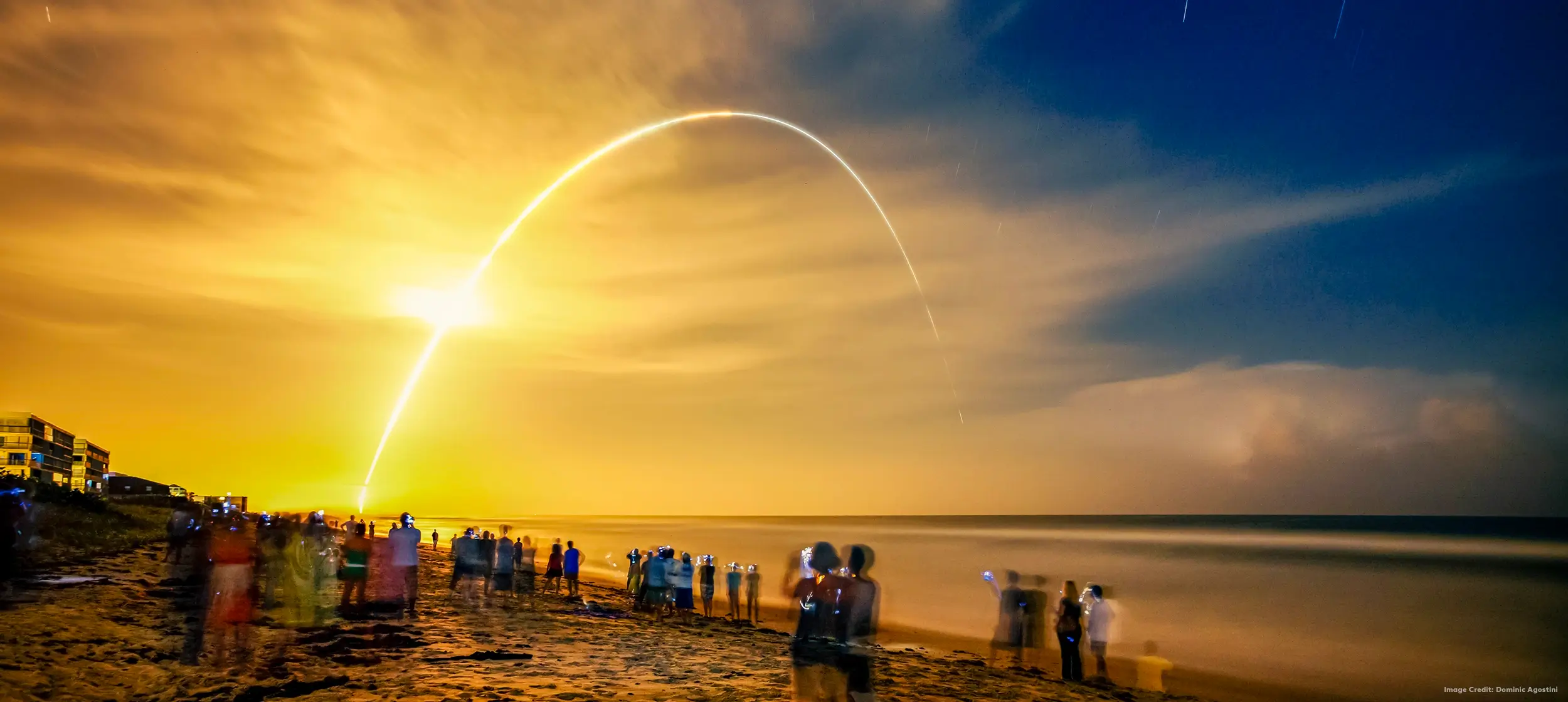
Rocket launches, Thrilling Wave, and Natural and Wild Spaces

Take a Day to Experience the Viera Lifestyle on Florida’s Space Coast

Inspired Amenities and Unparalleled Value

Beautiful Homes for Every Stage of Life

100+ Floorplans—One Perfect Place

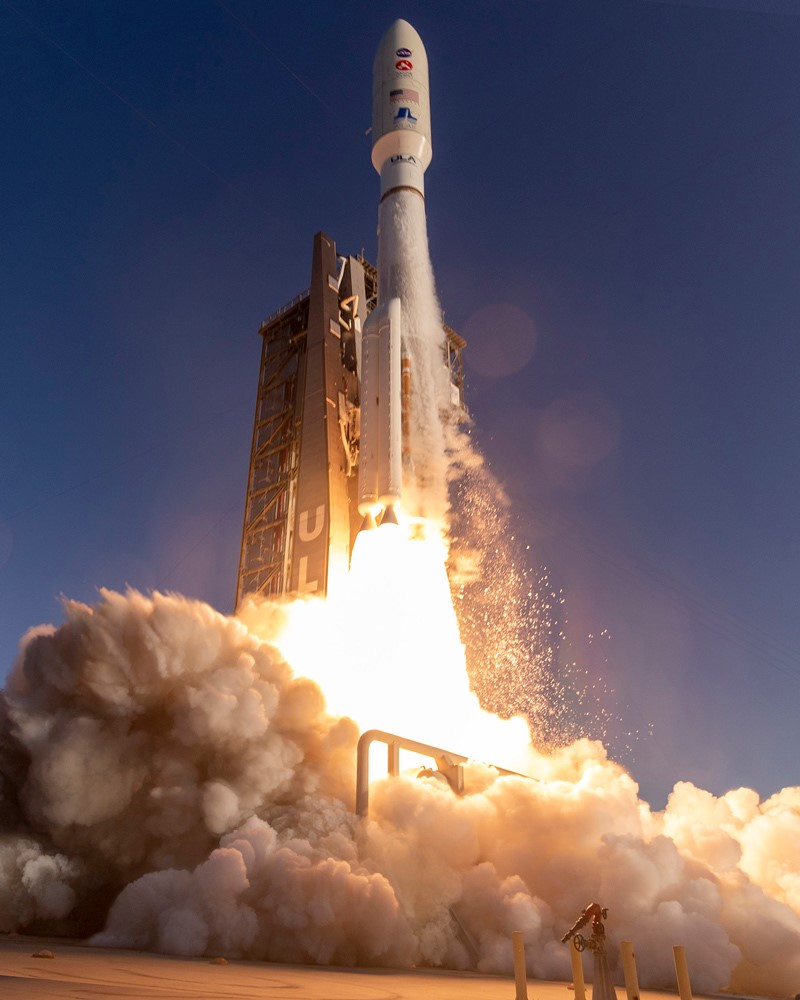
July 30, 2020 – NASA’s Mars 2020 Mission is on its way. It is scheduled to land at Jezero Crater on the planet Mars on Feb. 18, 2021. The successful NASA/United Space Alliance launch today, from Launch Complex 41 at Cape Canaveral Air Force Station, saw an Atlas V rocket leave Earth on a long journey, carrying precious cargo—the Perseverance Rover and little Ingenuity, the petite 4 lb (1.8 kilogram) highly innovative helicopter designed to be tested on the Red Planet. Ingenuity and Perseverance met many testing milestones before becoming ready for this red-letter day.
According to NASA, the mission of Perseverance is “to seek out signs of past microscopic life on Mars, explore the diverse geology of its landing site and demonstrate key technologies that will help us prepare for future robotic and human exploration.”
Ingenuity represents a ‘technology demonstration’–testing a new capability–the first aircraft to attempt controlled flight on another planet. Developed at NASA’s Jet Propulsion Laboratory and launched from Florida’s Space Coast, the helicopter has 4 carbon-fiber blades arranged into two rotors that spin in opposite directions. The rotors must spin at around 24,00 rpms, many times faster than a helicopter in Earth’s atmosphere. Mars atmosphere is 99% less dense than Earth’s, so Ingenuity must be extremely light to achieve lift. Ingenuity had to be designed to face extreme cold with nights to minus 130 degrees Fahrenheit (minus 90 degrees Celsius), pushing the design limits of some of Ingenuity’s parts. Because communications delays are the norm, commands will need to be sent to Ingenuity in advance and data coming back will lag. Ingenuity is therefore equipped to make its own decisions about how to fly, keep itself warm, and recharge with its solar panel.
But the real tests will begin in February 2021 when Perseverance lands with Ingenuity attached to its belly. If the helicopter succeeds in its first flight, Ingenuity will attempt up to four other test flights within a 30-Martian-day (31-Earth-day) window.
If successful, Ingenuity could enable advanced robotic flying vehicles for future missions, while the aerial viewpoint will provide information not provided by on-the-ground rovers and landers, high-definition images and access to terrain that is difficult for rovers to reach.
SOURCE: NASA
For more information about Ingenuity.
Information is also available on Ingenuity’s web page.